Uses Infection Treatment: IV/IM antibiotics (ceftriaxone, vancomycin, piperacillin-tazobactam, meropenem) for sepsis, pneumonia, UTI, and hospital-acquired infections Oncology & Chemotherapy: Injectable anticancer agents (paclitaxel, doxorubicin, pemetrexed, pembrolizumab) Critical/Emergency Care: Epinephrine, atropine, naloxone, lidocaine, magnesium sulfate for resuscitation and life-threatening emergencies Anesthesia & Analgesia: Propofol, fentanyl, ketamine, morphine, dexmedetomidine for surgical, procedural, and ICU sedation/pain relief Chronic Disease Management: Insulin for diabetes, adalimumab & etanercept for autoimmune diseases, hormone injections (testosterone, estradiol, progesterone) Vitamins & Nutrition: Injectable B12, iron, magnesium, folic acid, total parenteral nutrition (TPN) Vaccines & Immunization: Influenza, COVID-19, hepatitis, tetanus, pneumococcal, rabies post-exposure Specialty Biologics: Monoclonal antibodies, growth factors, erythropoietin, biosimilars Types of Injectable Medications Intravenous (IV): Direct infusion into bloodstream for rapid onset (e.g., antibiotics, chemotherapy, anesthesia) Intramuscular (IM): Delivery into muscle for steady absorption (e.g., vaccines, depot antipsychotics) Subcutaneous (SubQ): Slow-release into fat layer (e.g., insulin, GLP-1 agonists, heparin, biologics) IV Push/Bolus vs
It is this intrinsic factor that binds to Vitamin B12 and helps it enter the bloodstream after absorption
Indications 1.Acute metabolic disorder: such as debility of female animal after giving birth and diseases
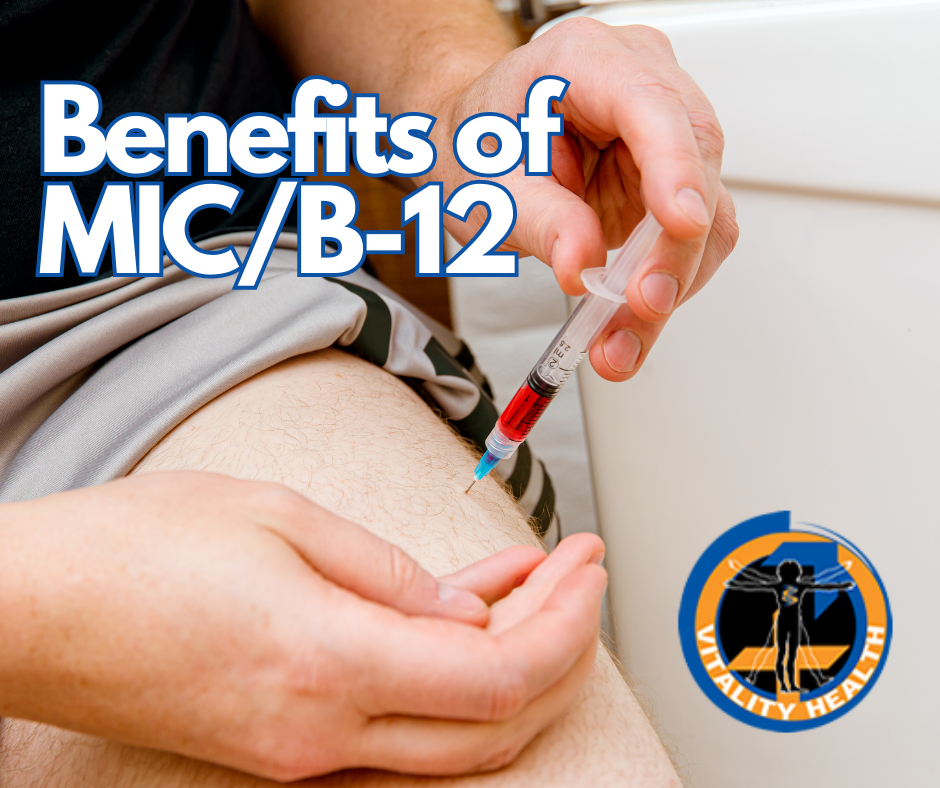
12 Top Benefits of Vitamin B12 Vitamin B12 has many benefits and it goes way beyond energy production and a healthy nervous system, and like all vitamins, B12 is essential for optimal health