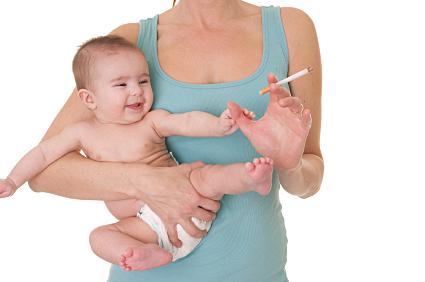
Most health organizations and studies consider heavy smoking to be smoking 20 or more cigarettes a day
A pilot study linking endothelial injury in lungs and kidneys in chronic obstructive pulmonary disease

Baseball stadium laws The use of smokeless tobacco is prohibited in Californias five professional baseball stadiums.7 Local tobacco laws 71 localities, including Alameda County, Contra Costa County, Long Beach, Los Angeles County, Marin County, Oakland, Sacramento, San Francisco, San Mateo County, Santa Barbara County, Santa Clara County, Santa Cruz County, and Yolo County, prohibit the sale of all flavored tobacco products.11 24 other localities have varying restrictions on the sale of flavored tobacco products.11 26 localities have banned the sale of all e-cigarettes, with variances for those products that have received FDA premarket approval.11 40 cities and counties have banned pharmacies from selling tobacco products, including Alameda County, Contra Costa County, Los Angeles County, Marin County, San Francisco, San Mateo County, Santa Clara County, and Sonoma County.12 Sonoma County requires retailers to sell cigarettes for a minimum of $7 per pack.13 San Francisco caps the number of tobacco sales permits in each of the citys 11 districts at 45, and new tobacco retailers are prohibited within 500 feet of any school or another retailer.14 Quitting statistics and benefits Quitting smoking and vaping in California The CDC estimates 53.4% of daily adult smokers in California quit smoking for one or more days in 2018.3 In 2014, the Affordable Care Act required that Medicaid programs cover all quit medications.8** Californias state quit line invests $3.26 per smoker, compared with the national average of $2.14.8 California does not have a private insurance mandate provision for quitting tobacco.8 Notes and references Updated August 2020 *National and state-level prevalence numbers reflect the most recent data available

The 8HU CIGARETTE POCKET MOCK-TWIST CHAMBRAY WORK SHIRT is a faithful reproduction of a distinctive 1930s workwear design, easily recognized by its asymmetrical front pockets