When the liver is overburdened (due to poor diet, environmental toxins, alcohol consumption, or metabolic stress), fat metabolism can slow down

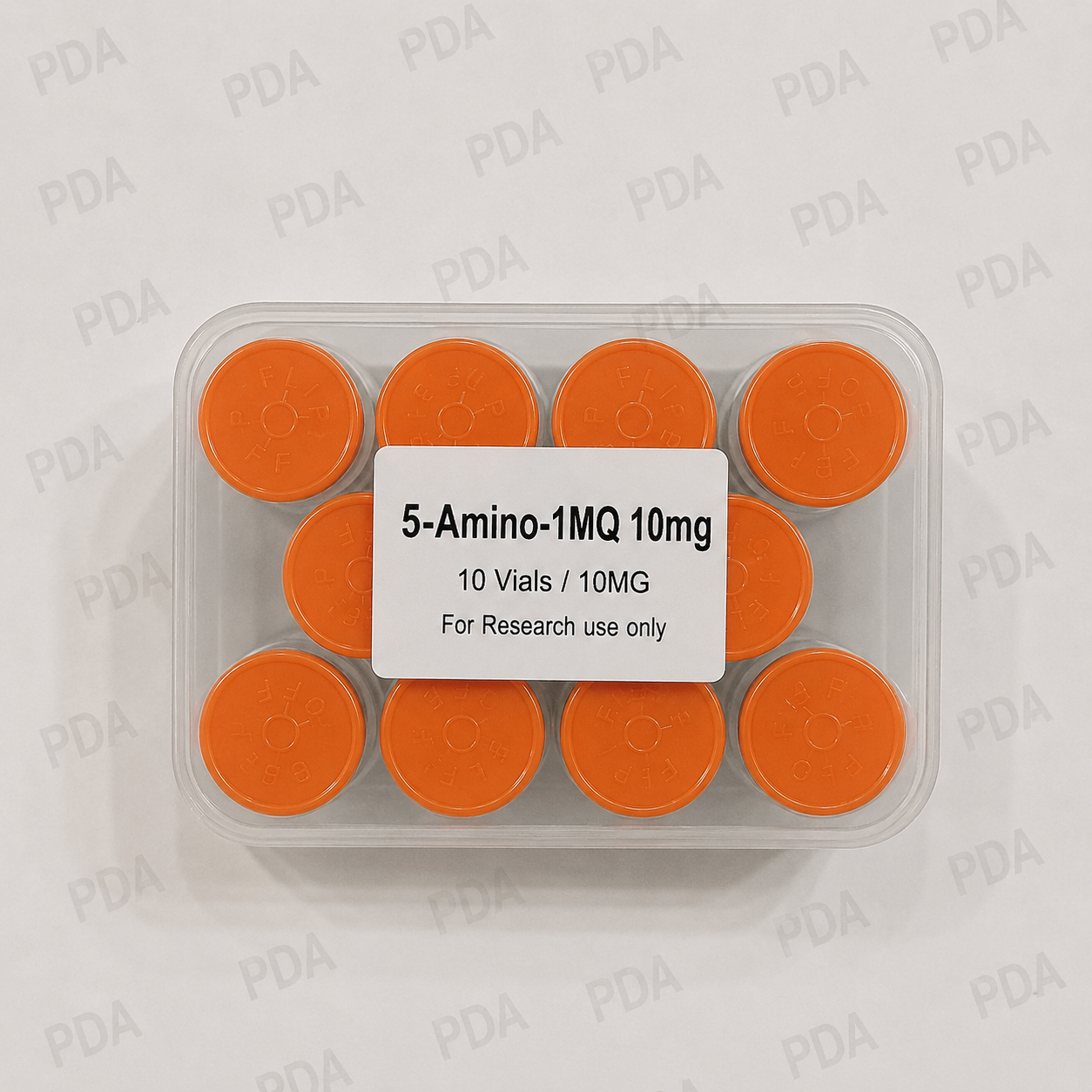
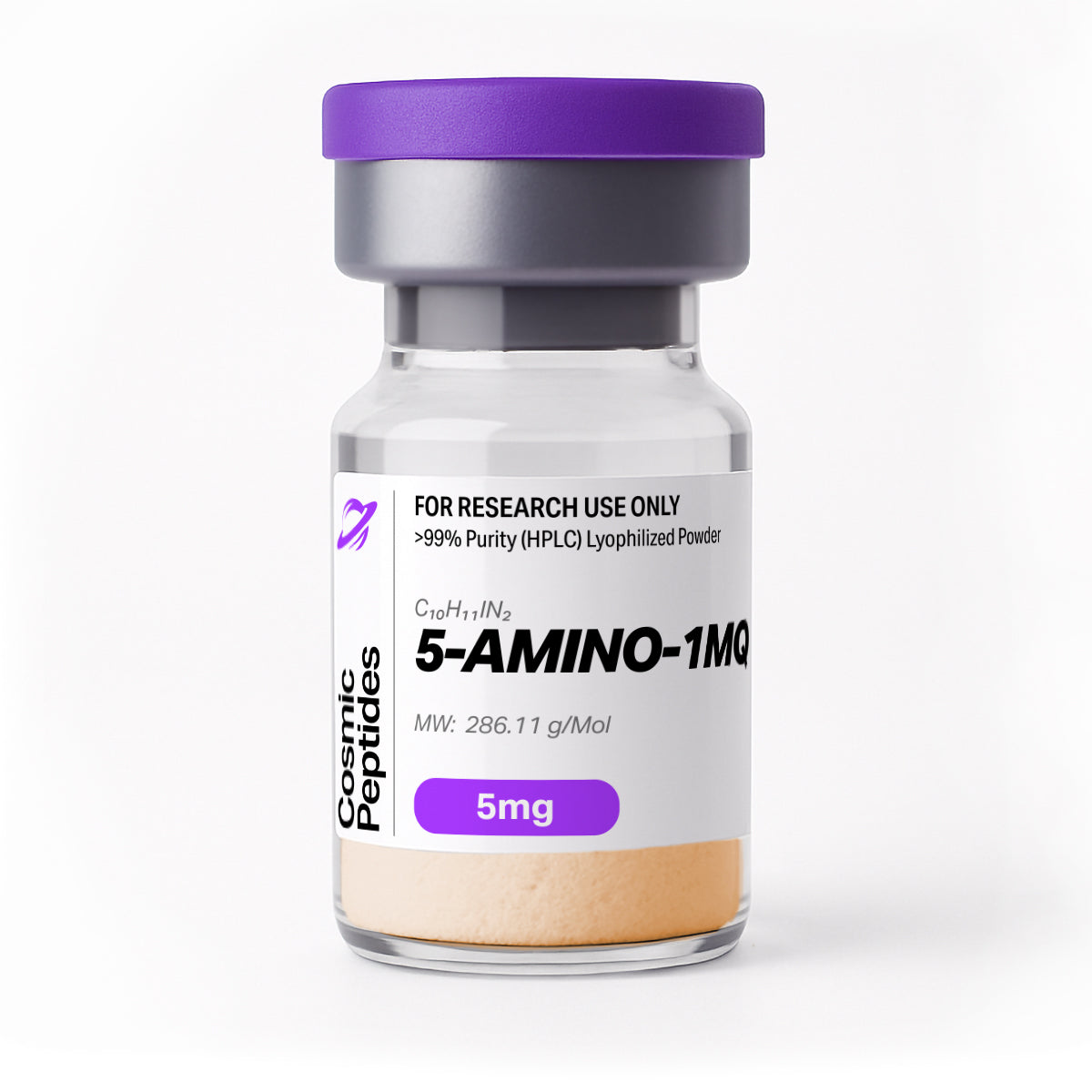
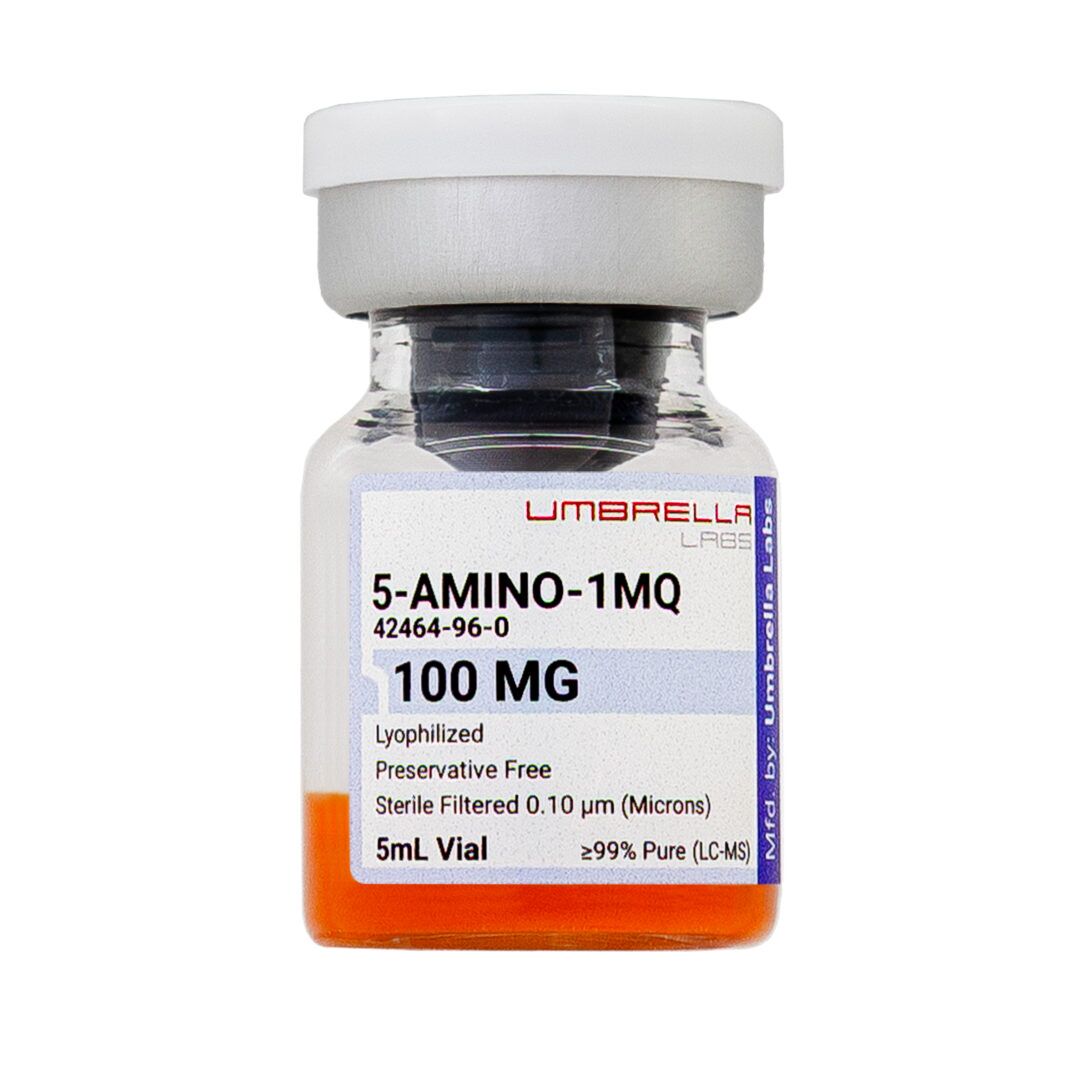
certificate of analysis available on request Research Applications Suitable Laboratory Uses for 5-Amino-1MQ NNMT enzyme inhibition assays IC50 determination, target engagement confirmation, and 1-MNA quantification NAD+ salvage pathway modulation studies nicotinamide flux, NMN and NAD+ pool measurement SAM/SAH methyl-donor pathway and epigenetic methylation capacity research Adipocyte biology lipogenesis, adipocyte differentiation, fat mass, and lipid storage pathway studies SIRT1 and SIRT3 activation and insulin sensitivity pathway investigations Mitochondrial function and energy expenditure pathway research Skeletal muscle physiology muscle function, sarcopenia pathway, and mitophagy-related studies NNMT-overexpressing cancer cell line studies anti-proliferative and apoptotic pathway research Gut microbiome modulation research in diet-induced obesity models Cardiovascular metabolic pathway studies homocysteine, NF-B, STAT3, redox signalling Comparative NNMT inhibitor research 5-Amino-1MQ vs
Product Overview AOD-9604 (often searched as AOD-9064) is a synthetic peptide fragment derived from the C-terminus of human growth hormone (hGH), specifically mapping to amino acid residues 177-191, with an additional tyrosine residue incorporated at the N-terminus to stabilise the molecule
Notes that alternative pathways such as polyamine biosynthesis could compensate for raised SAM, that partial rather than total inhibition may be preferable to avoid compensatory mechanisms from an imbalanced SAM/SAH ratio, and that the consequences of sustained NNMT inhibition on systemic epigenetics remain unclear