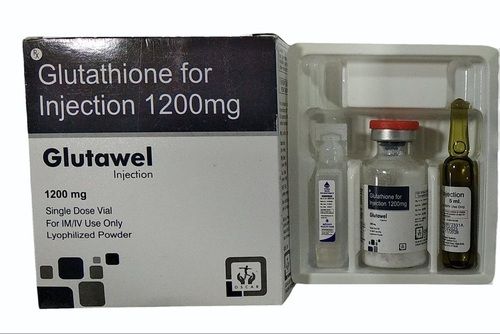
Each batch is independently tested by third-party laboratories using HPLC and mass spectrometry
The cells were grown to sub-confluence, harvested with trypsin (#35553-74, Nacalai Tesque, Kyoto, Japan), and suspended in phosphate-buffered saline (PBS, #14249-95, Nacalai Tesque, Kyoto, Japan)

E-Posters - NOVEL TARGET/ EXPERIMENTAL FIDINGS TO CLINICAL TRANSLATION 06.00 - NOVEL TARGET/ EXPERIMENTAL FIDINGS TO CLINICAL TRANSLATION - 06.02 - GENETICS, OMICS AND BIOMARKERS P2587 - ESOC25-1868 DYNAMIC GENE EXPRESSION IN EXPERIMENTAL SUBARACHNOID HEMORRHAGE Emelie Fungbrant 1 , Jesper Bmers 2 , Anja Holm Nordvang 3 , Kristian Agmund Haanes 4 , Lars Edvinsson 5 , Tiit Mathiesen 6 1 Department of Neurosurgery, Copenhagen University Hospital - Rigshospitalet, Copenhagen, Denmark, Department of Clinical Experimental Research, Glostrup Research Institute, Copenhagen University Hospital, Rigshospitalet Glostrup, 2600 Glostrup, Denmark., Copenhagen, Denmark, 2 Department of Clinical Experimental Research, Glostrup Research Institute, Copenhagen University Hospital, Rigshospitalet Glostrup, 2600 Glostrup, Denmark., copenhagen, Denmark, 3 Department of Clinical Experimental Research, Glostrup Research Institute, Copenhagen University Hospital, Rigshospitalet Glostrup, 2600 Glostrup, Denmark., Copenhagen, Denmark, 4 Department of Clinical Experimental Research, Glostrup Research Institute, Copenhagen University Hospital, Rigshospitalet Glostrup, 2600 Glostrup, Denmark, Department of Biology, Section of Cell Biology and Physiology, University of Copenhagen, Denmark, Copenhagen, Denmark, 5 Division of Experimental Vascular Research, Department of Clinical Sciences, Lund University Hospital, Lund, Sweden., Copenhagen, Denmark, 6 Department of Neurosurgery, Copenhagen University Hospital - Rigshospitalet, Copenhagen, Denmark, Copenhagen, Denmark Background and Aims: Delayed cerebral ischemia (DCI) following subarachnoid hemorrhage (SAH) leads to significant morbidity, with few patients returning to full-time employment

Start here if you notice eczema flares correlate with digestive symptoms, food reactions, or gut inflammation