Related Topics KLOW Dosing Calculator The 4-peptide variant with KPV for reactive or post-procedure skin Injury Recovery Peptide Protocol Five-compound structural repair framework including NAD+ metabolic support BPC-157 + TB-500 Wolverine Stack Simpler injury recovery stack centered on the two core repair peptides BPC-157 Guide Standalone dosing, pharmacokinetics, oral vs injectable TB-500 / TB-4 Guide Fragment vs full-length, CoA verification, threshold-saturation mechanism GHK-Cu Guide Copper peptide mechanism for skin and matrix quality NAD+ Guide Cellular energy support for intensive repair cycles Peptide Reconstitution Guide General bacteriostatic water and syringe handling Where to Inject GLOW Peptide Near-injury vs systemic injection routing References GHK-Cu tissue-organization signaling and copper-peptide complex TGF-/Smad matrix organization, lysyl oxidase cross-linking, SOD/catalase antioxidant expression, copper coordination chemistry, 4,000+ gene modulation: PubMed 29986520

And that is when Integrative Peptides appears in your search results
In pharmaceutical formulations, especially injectable products, GHK-Cu may face challenges related to peptide aggregation during storage
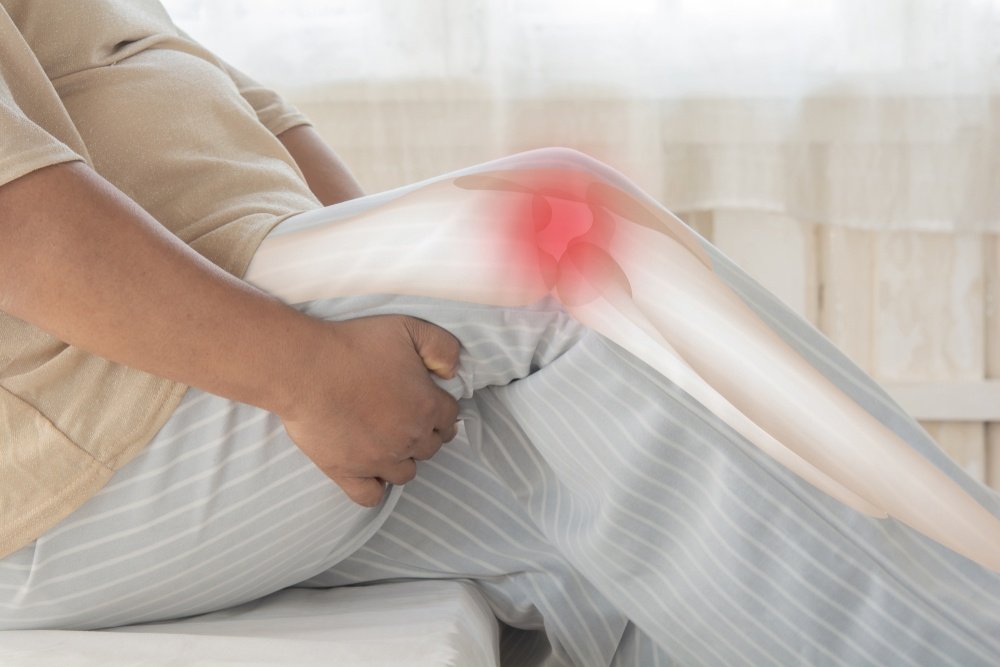
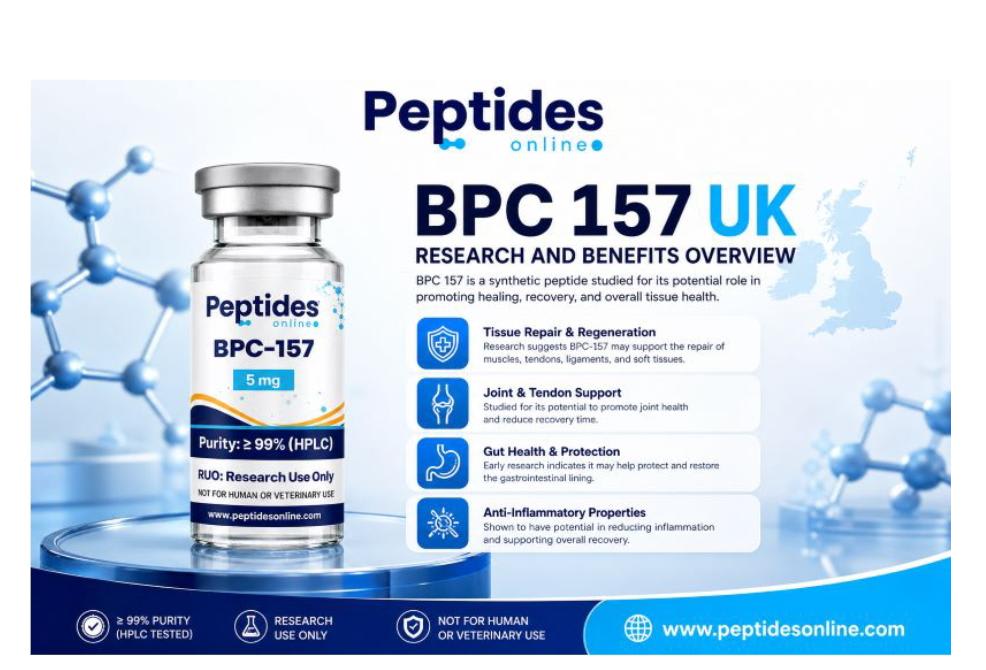
Some of the most significant potential benefits include: Accelerates healing of ligaments, tendons, and muscles Promotes new blood vessel formation for faster tissue repair Reduces inflammation in the body Supports gut lining repair and overall gastrointestinal health Protects against stomach ulcers and digestive issues May shorten recovery time after injury or surgery Enhances collagen production for stronger connective tissues For patients dealing with both physical injuries and digestive problems, BPC-157 is uniquely positioned to address multiple issues at once