Vol. XVIII · Free shipping $75+ · Read the collection
Feature · Product Review
glutathione mercury brain

glutathione mercury brain Comparative neurotoxicity of dietary methylmercury and waterborne inorganic in fish: Evidence of optic tectum vulnerability through morphometric and histopathological assessments Effects of Physiologically Relevant Species

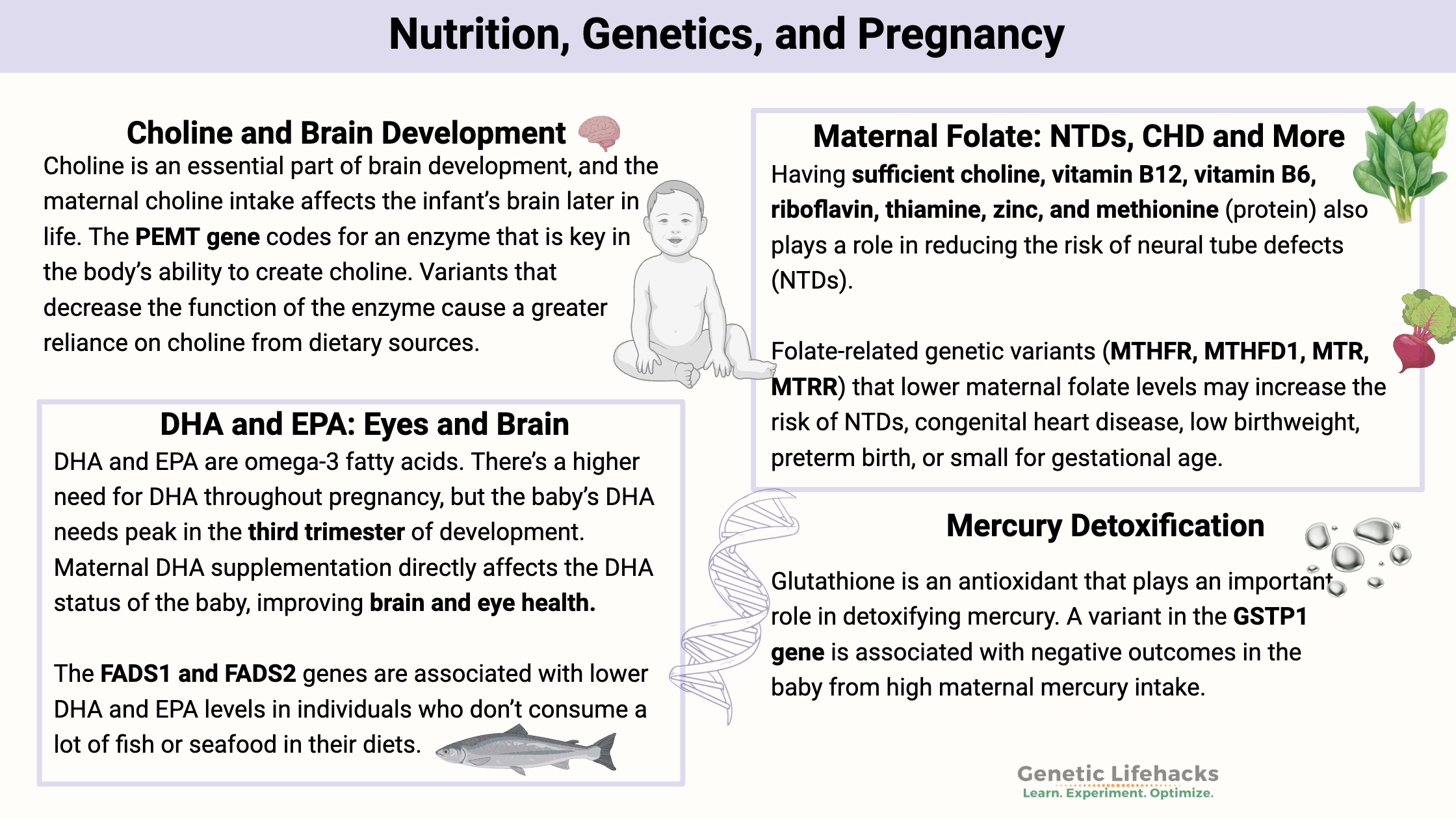
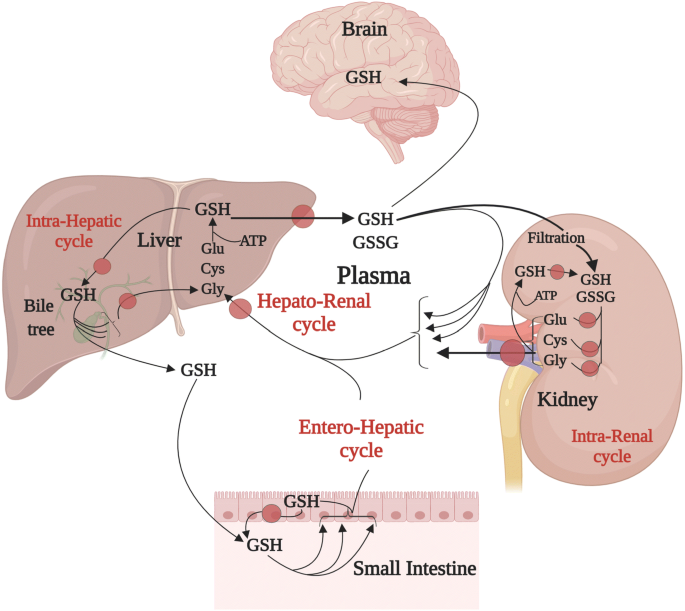
Effects of Physiologically Relevant Species of Organic Mercury on Mesenchymal Stem Cells and Neural Precursor Cells Pregnancy: How Your Genes affect the Nutrients You Need glutathione mercury chelation brain in Brain: Overview of Its Conformations, Functions, Biochemical Characteristics, Quantitation and Potential Therapeutic Role in Disorders Neurochemical Research Glutathione Metabolism of the BrainThe Neuroprotection by Melatonin on Mercury Induced Toxicity in the Rat Brain

SKU: 41632377842 · From cantondelareina.com.ar

4.3
USD22.72 USD60.72

Pay in 4 interest-free payments of $5.68 Learn more

Shipping Estimate
USA
  • USA
  • CAN

Ships within 48 hours · Estimated delivery Sep 15 - Sep 20

Description

Evaluation of chemical composition and in vitro anti-inflammatory effect of marine microalgae Chlorella vulgaris

glutathione mercury brain Comparative neurotoxicity of dietary methylmercury and waterborne inorganic in fish: Evidence of optic tectum vulnerability through morphometric and histopathological assessments Effects of Physiologically Relevant Species

However, the interaction of MANF and Notch1 was not detectable by Co-IP assay (Supplementary Fig

glutathione mercury brain Comparative neurotoxicity of dietary methylmercury and waterborne inorganic in fish: Evidence of optic tectum vulnerability through morphometric and histopathological assessments Effects of Physiologically Relevant Species

For use on the order of a healthcare practitioner

glutathione mercury brain Comparative neurotoxicity of dietary methylmercury and waterborne inorganic in fish: Evidence of optic tectum vulnerability through morphometric and histopathological assessments Effects of Physiologically Relevant Species

Loss of SLC7A11 results in lysosomal hyperacidity and labile iron release, sensitizing cells to ferroptosis

glutathione mercury brain Comparative neurotoxicity of dietary methylmercury and waterborne inorganic in fish: Evidence of optic tectum vulnerability through morphometric and histopathological assessments Effects of Physiologically Relevant Species
Exchange/Return Notes
  • We offer a 30-day return/exchange service after receiving.
  • Final sale items are not eligible for returns or exchanges.
  • To process your return/exchange, please contact us at [email protected]
  • Please click here for more details>>> Return & Exchange Policy

You may also like

recommand products