Vol. XVIII · Free shipping $75+ · Read the collection
Feature · Product Review
l carnitine l tartrate study pubmed androgen receptor expression rat

l carnitine l tartrate study pubmed androgen receptor expression rat Analysis of and activity in the mouse brain L. carnitine modulates oxidative stress, – L-Carnitine Tartrate Supplementation for 5

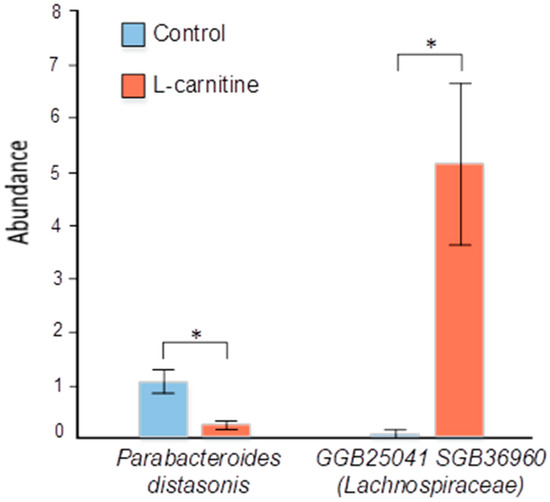
L Carnitine Tartrate Supplementation for 5 Weeks Improves Exercise Recovery in Men and Women: A Randomized, Double Blind, Placebo Controlled Trial PMC L carnitine exerts a nutrigenomic effect via direct modulation of nuclear receptor signaling in adipocytes, hepatocytes and SKMC, demonstrating its nutritional impact ScienceDirect AcetylLcarnitine improves erectile function in bilateral cavernous nerve injury rats via promoting cavernous nerve regeneration Wang 2022 Andrology Wiley Online Library Changes in L Carnitine Metabolism Affect the Gut Microbiome and Influence Sexual Behavior Through the GutTestis Axis

SKU: 37614660921 · From cantondelareina.com.ar

4.3
USD29.76 USD77.76

Pay in 4 interest-free payments of $7.44 Learn more

Shipping Estimate
USA
  • USA
  • CAN

Ships within 48 hours · Estimated delivery Aug 16 - Aug 21

Description

Ortiz-Salguero et al

l carnitine l tartrate study pubmed androgen receptor expression rat Analysis of and activity in the mouse brain L. carnitine modulates oxidative stress,  L-Carnitine Tartrate Supplementation for 5

Vitamin B6 (pyridoxine

l carnitine l tartrate study pubmed androgen receptor expression rat Analysis of and activity in the mouse brain L. carnitine modulates oxidative stress,  L-Carnitine Tartrate Supplementation for 5

Fatty Acid Transport and Activation Carnitine Shuttle System Long-chain fatty acids cannot directly cross the inner mitochondrial membrane Carnitine shuttle system facilitates transport of fatty acids into mitochondria Carnitine palmitoyltransferase I (CPT I) catalyzes formation of acylcarnitine from acyl-CoA and carnitine Carnitine-acylcarnitine translocase moves acylcarnitine across inner mitochondrial membrane Carnitine palmitoyltransferase II (CPT II) converts acylcarnitine back to acyl-CoA inside mitochondria Free carnitine returns to cytosol for reuse Fatty Acid Activation and Dehydrogenation Fatty acids activated to acyl-CoA by acyl-CoA synthetase in cytosol Activation requires ATP and produces AMP and pyrophosphate Acyl-CoA dehydrogenase catalyzes first step of beta-oxidation inside mitochondria Enzyme removes two hydrogen atoms from acyl-CoA, forming a double bond Process generates FADH2 from FAD, an important electron carrier FADH2 transfers electrons to electron transport chain, contributing to ATP production NADH produced in subsequent steps of beta-oxidation, another crucial electron carrier Beta-Oxidation Cycle Four-Step Process of Beta-Oxidation Beta-oxidation breaks down fatty acids into acetyl-CoA units Process occurs in mitochondrial matrix Consists of four repeating steps: oxidation, hydration, oxidation, and thiolysis Each cycle shortens fatty acid chain by two carbon atoms Acyl-CoA dehydrogenase catalyzes first oxidation step, forming trans-2-enoyl-CoA Enoyl-CoA hydratase adds water to double bond, producing 3-hydroxyacyl-CoA 3-hydroxyacyl-CoA dehydrogenase oxidizes hydroxyl group, forming 3-ketoacyl-CoA Thiolase cleaves 3-ketoacyl-CoA, releasing acetyl-CoA and shortened acyl-CoA Energy Yield and Regulation Each cycle produces one FADH2, one NADH, and one acetyl-CoA FADH2 and NADH feed into electron transport chain for ATP production Acetyl-CoA enters citric acid cycle for further oxidation Process regulated by availability of fatty acids and energy demand Malonyl-CoA inhibits carnitine palmitoyltransferase I, controlling fatty acid entry into mitochondria Hormone-sensitive lipase in adipose tissue regulates fatty acid release into bloodstream Ketone Body Formation Ketogenesis Process Ketone bodies form when acetyl-CoA accumulates beyond capacity of citric acid cycle Occurs during fasting, low-carbohydrate diets, or uncontrolled diabetes Three main ketone bodies: acetoacetate, -hydroxybutyrate, and acetone Acetoacetate synthesized from two acetyl-CoA molecules -hydroxybutyrate formed by reduction of acetoacetate Acetone produced by spontaneous decarboxylation of acetoacetate Ketone Body Utilization and Metabolism Ketone bodies serve as alternative fuel source for brain and other tissues Brain can derive up to 70% of its energy from ketone bodies during prolonged fasting Liver cannot use ketone bodies due to lack of necessary enzymes Extrahepatic tissues convert ketone bodies back to acetyl-CoA for energy production Excessive ketone body production leads to ketoacidosis, a potentially dangerous condition Insulin regulates ketone body production by controlling fatty acid release from adipose tissue

l carnitine l tartrate study pubmed androgen receptor expression rat Analysis of and activity in the mouse brain L. carnitine modulates oxidative stress,  L-Carnitine Tartrate Supplementation for 5

Transports Fatty Acids*

l carnitine l tartrate study pubmed androgen receptor expression rat Analysis of and activity in the mouse brain L. carnitine modulates oxidative stress,  L-Carnitine Tartrate Supplementation for 5
Exchange/Return Notes
  • We offer a 30-day return/exchange service after receiving.
  • Final sale items are not eligible for returns or exchanges.
  • To process your return/exchange, please contact us at [email protected]
  • Please click here for more details>>> Return & Exchange Policy

You may also like

JCI

US$ 25.55

4.7 (22 reviews)

JCI

US$ 22.54

4.4 (6 reviews)

Frontiers

US$ 27.67

4.3 (14 reviews)

recommand products