Vol. XVIII · Free shipping $75+ · Read the collection
Feature · Product Review
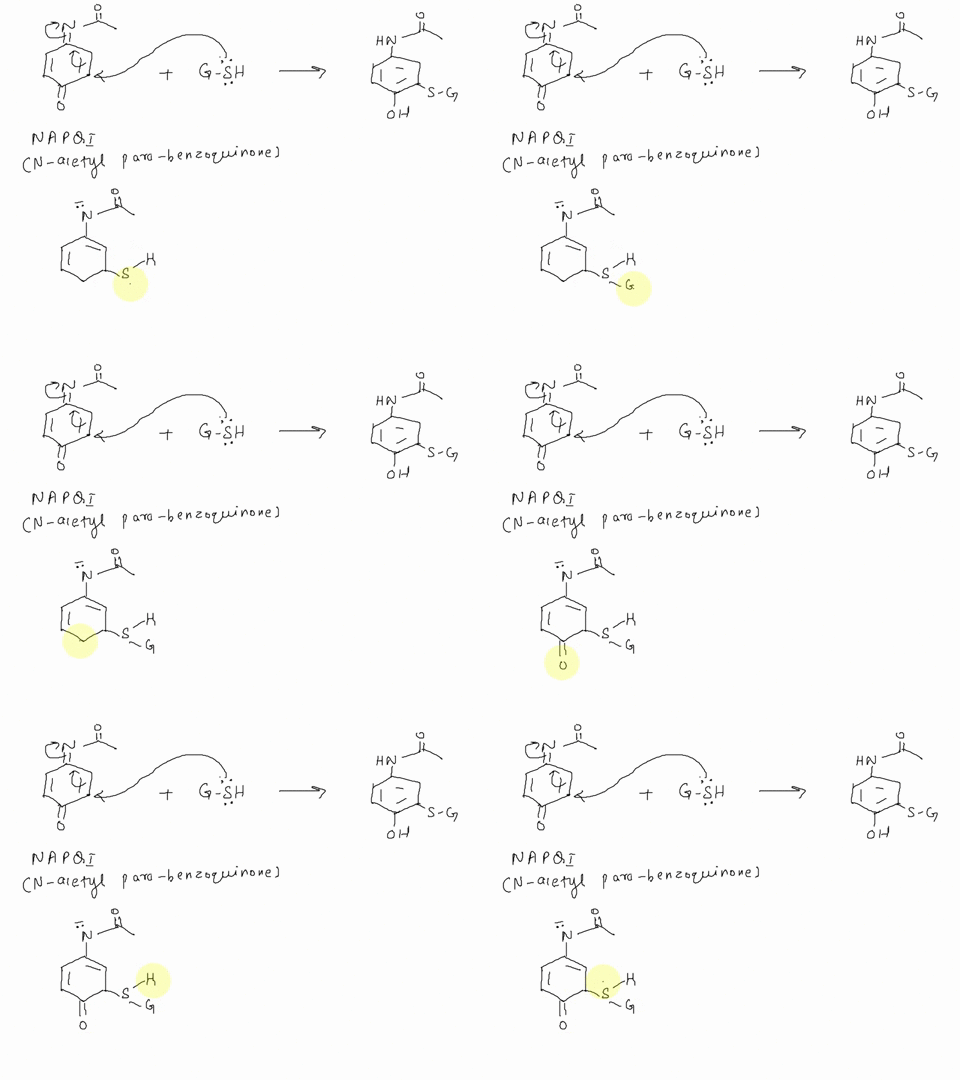
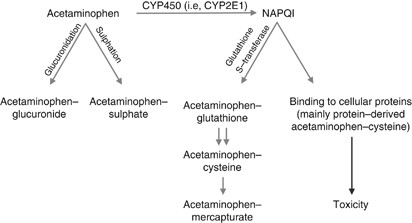
acetaminophen toxicity mechanism napqi glutathione

acetaminophen toxicity mechanism napqi glutathione Exposure to and all its metabolites upon 10, 15, and 20 mg/kg intravenous acetaminophen in very-preterm infants The biochemistry of acetaminophen hepatotoxicity

The biochemistry of acetaminophen hepatotoxicity and rescue: a mathematical model Theoretical Biology and Medical Modelling Springer Nature Link The molecular mechanisms of acetaminophen induced hepatotoxicity and its potential therapeutic targets PMC Problem 2 n acetyl para benzoquinone napqi is an oxidized Acute acetaminophen paracetamol toxicity

SKU: 27378718382 · From cantondelareina.com.ar

4.2
USD21.27 USD54.27

Pay in 4 interest-free payments of $5.32 Learn more

Shipping Estimate
USA
  • USA
  • CAN

Ships within 48 hours · Estimated delivery Aug 12 - Aug 17

Description

In vivo and in vitro experiments have shown that the Dox-exosomes process possesses high efficacy in Dox delivery and targeting to breast cancer, effective cancer suppression, and low toxicity (Tian et al., 2014)

acetaminophen toxicity mechanism napqi glutathione Exposure to and all its metabolites upon 10, 15, and 20 mg/kg intravenous acetaminophen in very-preterm infants The biochemistry of acetaminophen hepatotoxicity

In this article, we will explore the connection between glutathione and the digestive system, how it supports the integrity of your gut lining, and why the way you supplement this antioxidant determines whether your body can actually use it

acetaminophen toxicity mechanism napqi glutathione Exposure to and all its metabolites upon 10, 15, and 20 mg/kg intravenous acetaminophen in very-preterm infants The biochemistry of acetaminophen hepatotoxicity

A contaminated or degraded pineal peptide is not just ineffective

acetaminophen toxicity mechanism napqi glutathione Exposure to and all its metabolites upon 10, 15, and 20 mg/kg intravenous acetaminophen in very-preterm infants The biochemistry of acetaminophen hepatotoxicity

GHK-Cu (Glycyl-L-Histidyl-L-Lysine Copper) is a copper-binding peptide found in human plasma, saliva, and urine that acts as a regenerative, anti-inflammatory, and anti-aging agent

acetaminophen toxicity mechanism napqi glutathione Exposure to and all its metabolites upon 10, 15, and 20 mg/kg intravenous acetaminophen in very-preterm infants The biochemistry of acetaminophen hepatotoxicity
Exchange/Return Notes
  • We offer a 30-day return/exchange service after receiving.
  • Final sale items are not eligible for returns or exchanges.
  • To process your return/exchange, please contact us at [email protected]
  • Please click here for more details>>> Return & Exchange Policy

You may also like

L-Carnitin

US$ 26.24

4.8 (22 reviews)

BCN Shop

US$ 21.40

4.6 (29 reviews)

recommand products

Homepage

US$ 24.24

Min. order: 1 piece

4.7 (22 reviews)

Sold : Login>>

NutriDyn

US$ 21.44

Min. order: 1 piece

4.7 (12 reviews)

Sold : Login>>