Studies have shown that the intracellular LIP level is regulated by ferritin (Reichert et al., 2020), and in ferroptosis, ferritinophagy increases LIP ( 2 O 2 oxidizes Fe 2+ to Fe 3+ via the Fenton reaction, forming the highly active hydroxyl radical (OH), inducing oxidative stress and leading to ferroptosis, the accumulation of lipoid-OOH, and the oxidation of polyunsaturated fatty acids (PUFAs) (Qi et al., 2020)
M.ElmahallawyE
Warlick SD, Paulson K, Brazauskas R, Zhong X, Miller AM, Camitta BM, George B, Savani BN, Ustun C, Marks DI, Waller EK, Baron F, Freytes CO, Socie G, Akpek G, Schouten HC, Lazarus HM, Horwitz EM, Koreth J, Cahn JY, Bornhauser M, Seftel M, Cairo MS, Laughlin MJ, Sabloff M, Ringdn O, Gale RP, Kamble RT, Vij R, Gergis U, Mathews V, Saber W, Chen YB, Liesveld JL, Cutler CS, Ghobadi A, Uy GL, Eapen M, Weisdorf DJ, Litzow MR Biology of blood and marrow transplantation : journal of the American Society for Blood and Marrow Transplantation
#PharmaQA #BPvsUSP #Pharmacopoeia #RegulatoryScience #QualityMatters #EuroPharma #GMPCompliance #PharmaProfessionals To view or add a comment, sign in Why Specifications Differ and Why Thats Okay Many people assume that BP, USP, and WHO standards should be identical but in reality, the same drug can have different assay limits, impurity profiles, and dissolution criteria across these pharmacopoeias
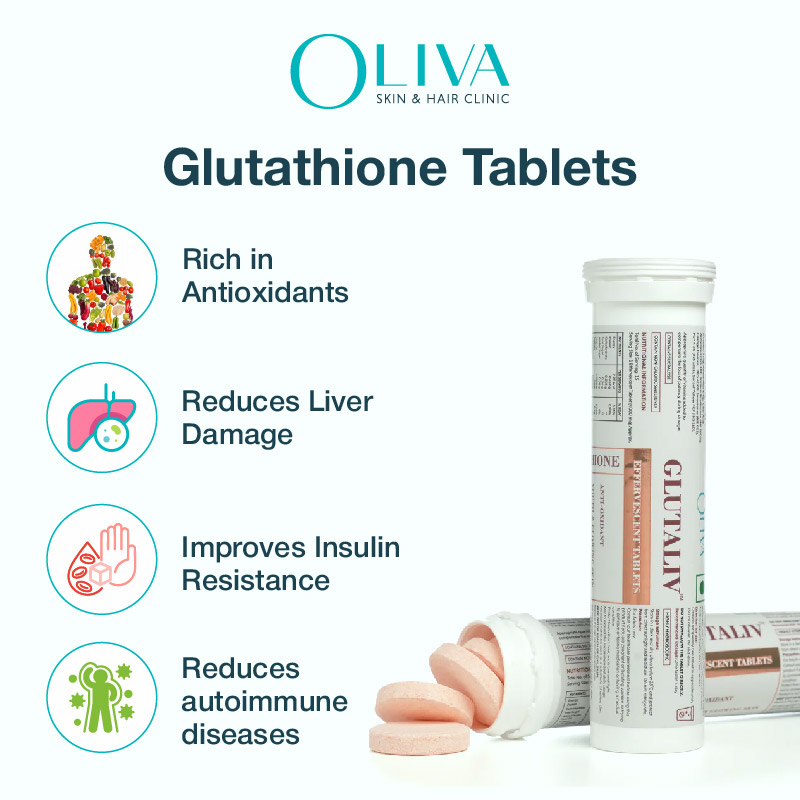
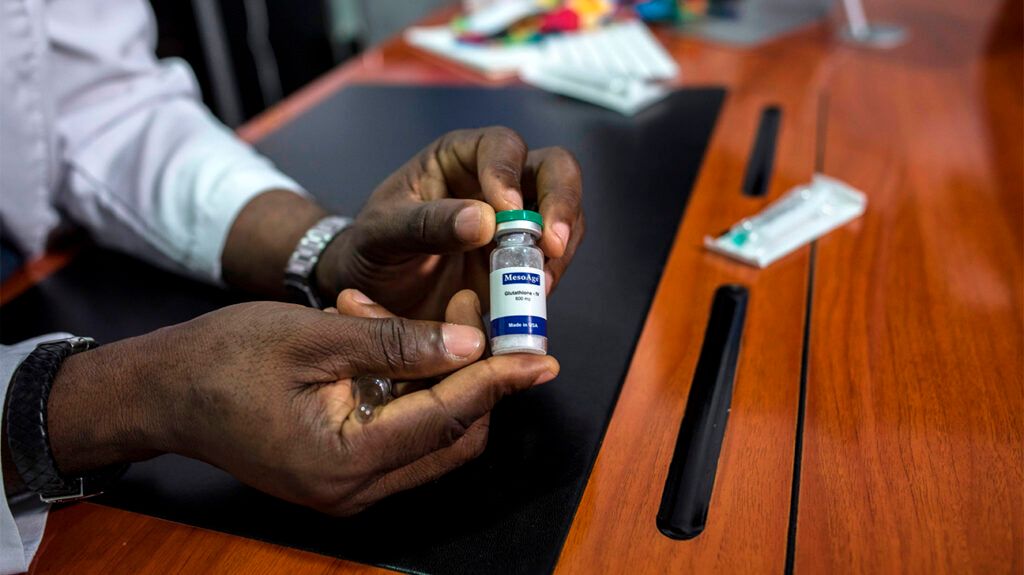

:max_bytes(150000):strip_icc()/benefits-of-glutathione-89457_final-01-502464fe91b2444285b0cccf8cb0a33c.png)