Glutathione is a naturally occurring tripeptide made of Glutamine, Glycine and Cysteine, and it plays a central role in oxidative balance, cellular defense and metabolic wellness
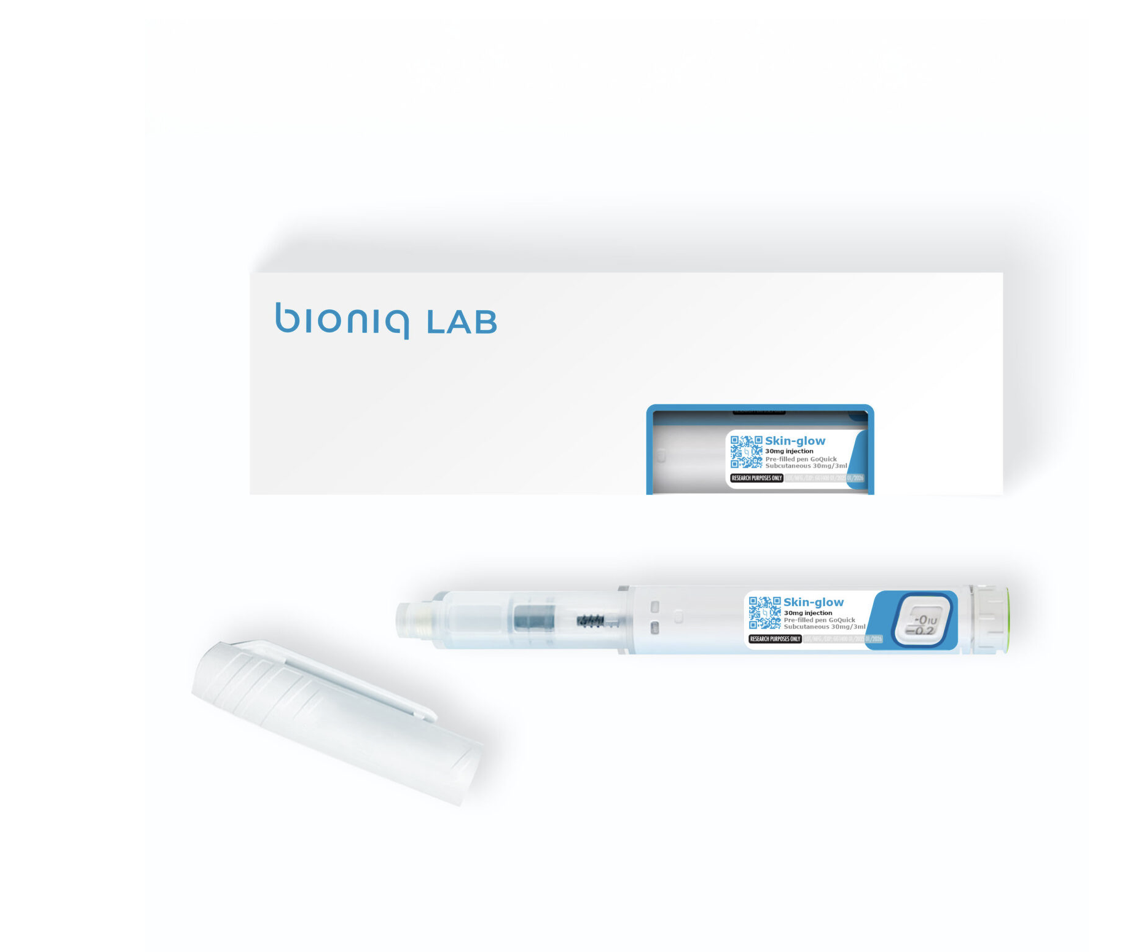
That said, visible signs of degradation do occur and should prompt discarding the vial: Cloudiness or turbidity: a clear solution that has become hazy indicates aggregation or contamination Visible particles: floating matter in the solution that was not present after reconstitution Discoloration: yellowing or browning of a solution that was originally clear or faintly colored Unusual odor: any smell that differs from the faint characteristic scent of the peptide after reconstitution Loss of efficacy with proper dosing: if a patient is following the protocol correctly and no longer seeing any effects, degraded peptide should be considered before assuming the protocol needs adjustment How We Handle Peptide Storage at Perfect B in Doral, FL At our clinic in Doral, FL, every peptide kit we dispense includes a written reconstitution chart and a dated storage label
Safe Use, Mitigation Strategies, and When to Consult Your Provider To minimize glutathione depletion risk: stay within recommended dosing limits (maximum 3,0004,000 mg/day for adults), avoid chronic daily use without medical guidance, maintain adequate nutrition (protein, vitamins B6 and C support glutathione synthesis), and consider alternatives like physical therapy or NSAIDs where appropriate
Case example : A patient receives spirometry, including graphic record, total and timed vital capacity and expiratory flow