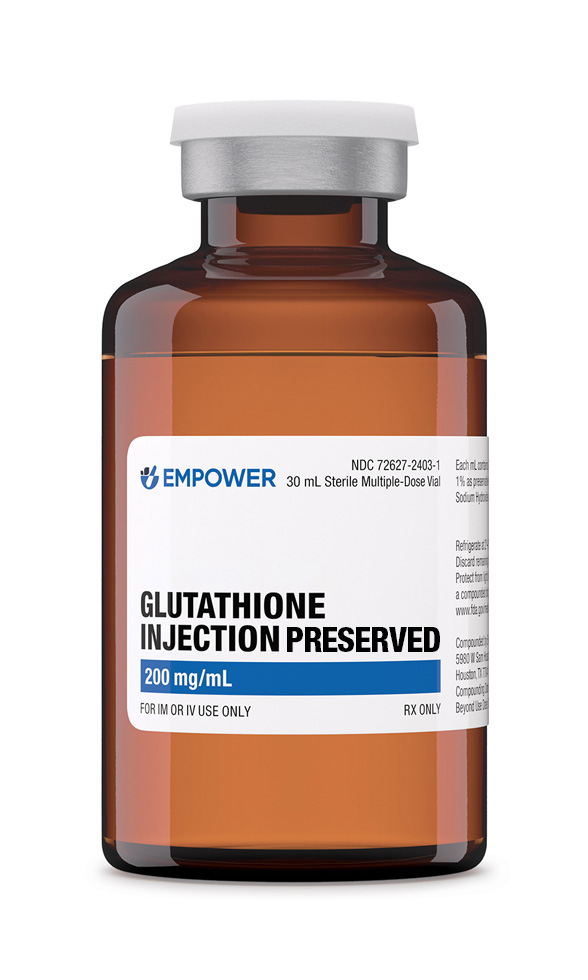
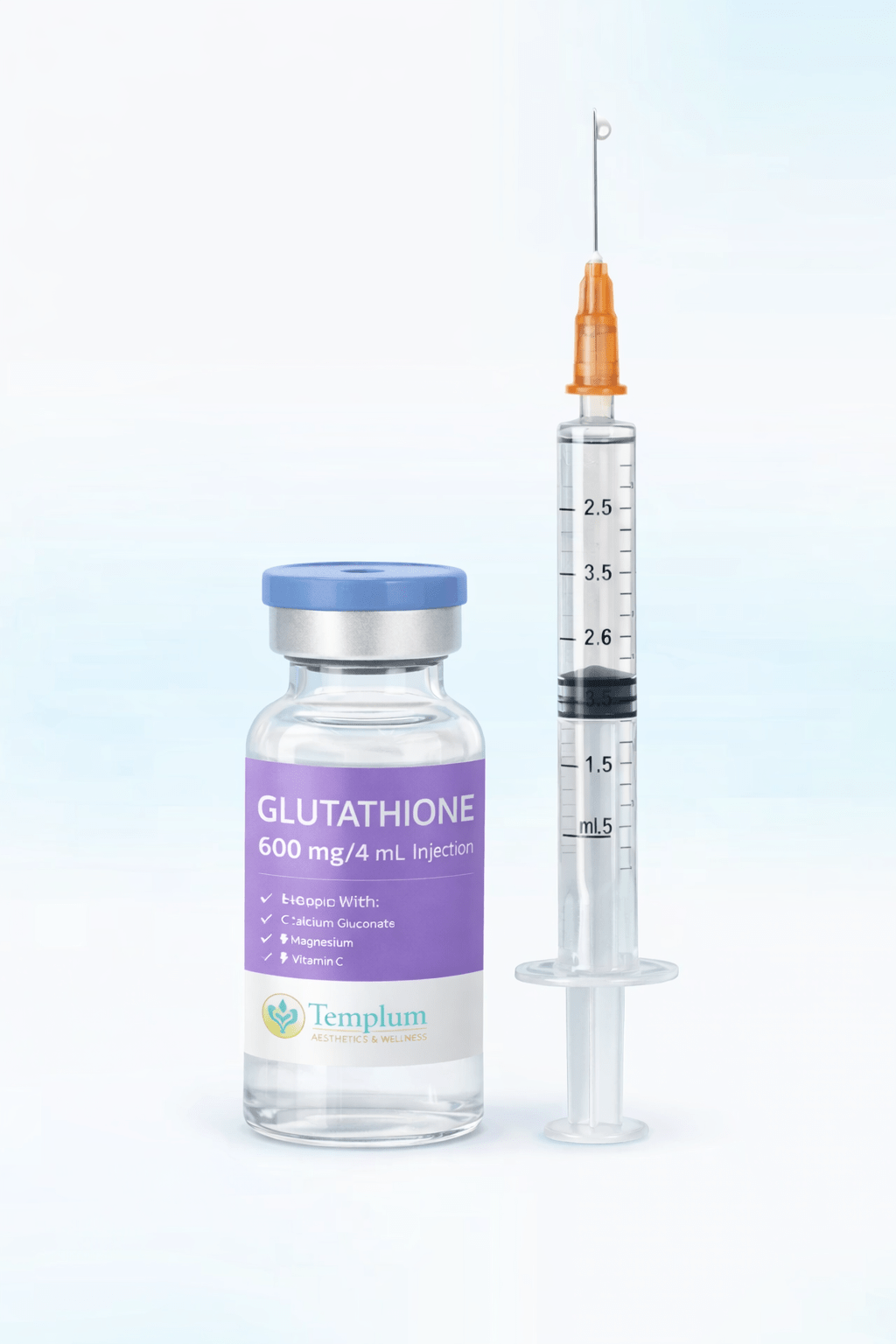
Please note that the product photo on the description page shows the exact same appearance as what you received
Sulfa-containing drugs include: sulfonamide antibiotics, including sulfamethoxazole-trimethoprim (Bactrim, Septra) and erythromycin-sulfisoxazole (Eryzole, Pediazole) some diabetes medications, such as glyburide (Diabeta, Glynase PresTabs) the drug sulfasalazine (Azulfidine), used in the treatment of rheumatoid arthritis, Crohns disease, and ulcerative colitis the drug dapsone, used to treat dermatitis and some types of pneumonia the drug sumatriptan (Imitrex), used to treat migraines some anti-inflammatory drugs, such as celecoxib (Celebrex) some diuretics, such as hydrochlorothiazide (Microzide) and furosemide (Lasix) Are sulfas found in foods
Nonetheless, a variety of pharmacological and non-pharmacological approaches, such as detecting and avoiding causative allergens, skin hydration (e.g., baths or moisturizers), topical anti-inflammatory or immunosuppressive treatments (tacrolimus and pimecrolimus), anti-pruritic drugs (corticosteroids), and anti-bacterial agents (e.g., bleach baths, applying antiseptics or disinfectants) have shown to be effective for AD treatment with mild to severe symptoms, either alone or in combination with other modalities
DCs are major antigen-presenting cells and essential for activating nave T lymphocytes (Th0) to differentiate into different T-cell subsets (Hilligan and Ronchese, 2020)