How BPC-157 Works BPC-157 promotes rapid recovery and cellular repair by: Stimulating angiogenesis (new blood vessel formation) Enhancing collagen synthesis for stronger connective tissue Reducing inflammation and oxidative stress Regenerating intestinal lining and restoring gut-brain axis balance Improving blood flow, nitric oxide function, and tissue oxygenation Conditions Supported by BPC-157 Therapy Muscle, Tendon & Ligament Repair Muscle tears, microtears, and overuse injuries Tendonitis (Achilles, patellar, rotator cuff, biceps) Ligament injuries (ACL, MCL, meniscus) Sports injuries and post-surgical recovery Joint & Bone Regeneration Osteoarthritis and degenerative joint pain Cartilage loss and stiffness Bone fractures and delayed healing Post-reconstruction ligament rehabilitation Nerve & Pain Syndromes Peripheral nerve damage Sciatica and neuropathic pain Fibromyalgia and myofascial pain BPC-157 and Gut-Brain Axis Health BPC-157 supports the gut-brain axis the communication link between digestion and mental health by repairing the gut lining and reducing inflammation

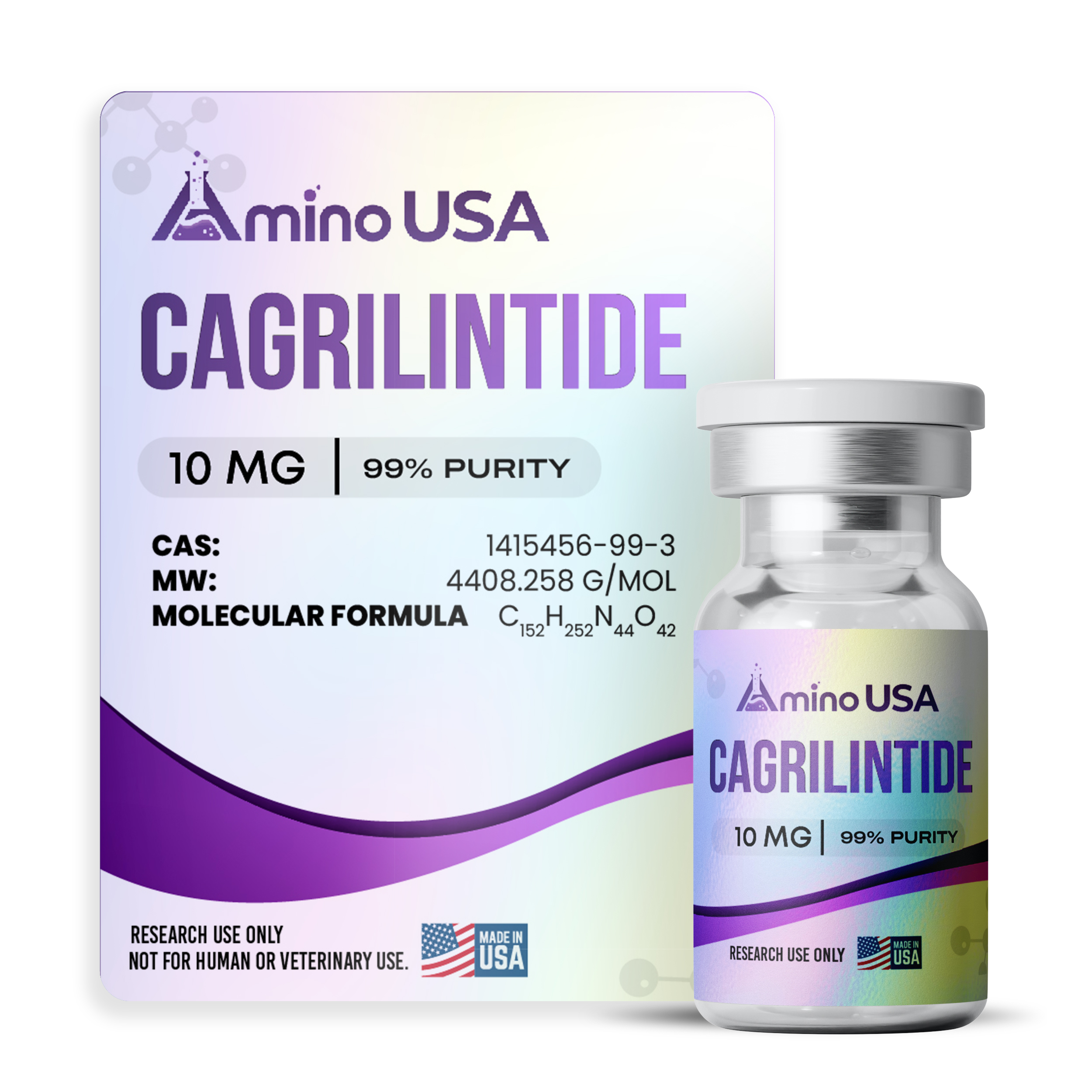
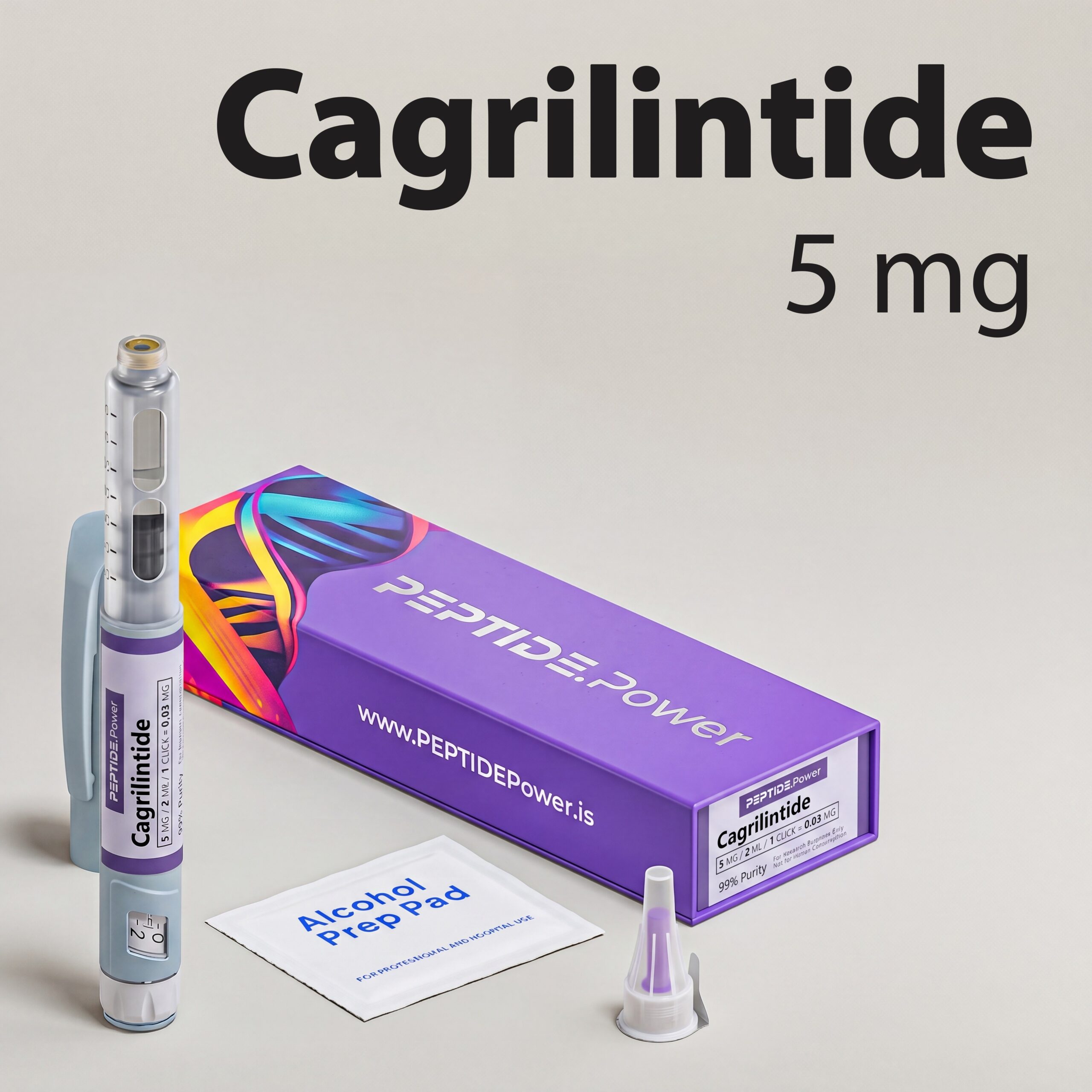
Companion Supplies & Routine Support Cagrilintide Reconstitution Guide Reconstitution is the process of mixing the lyophilized cagrilintide powder with bacteriostatic water (BAC water) so it becomes injectable
Pricing in Canadian dollars eliminates currency conversion uncertainty
Tayran H, Yilmaz E, Bhattarai P et al (2024b) ABCA7-dependent induction of neuropeptide Y is required for synaptic resilience in Alzheimers disease through BDNF/NGFR signaling